
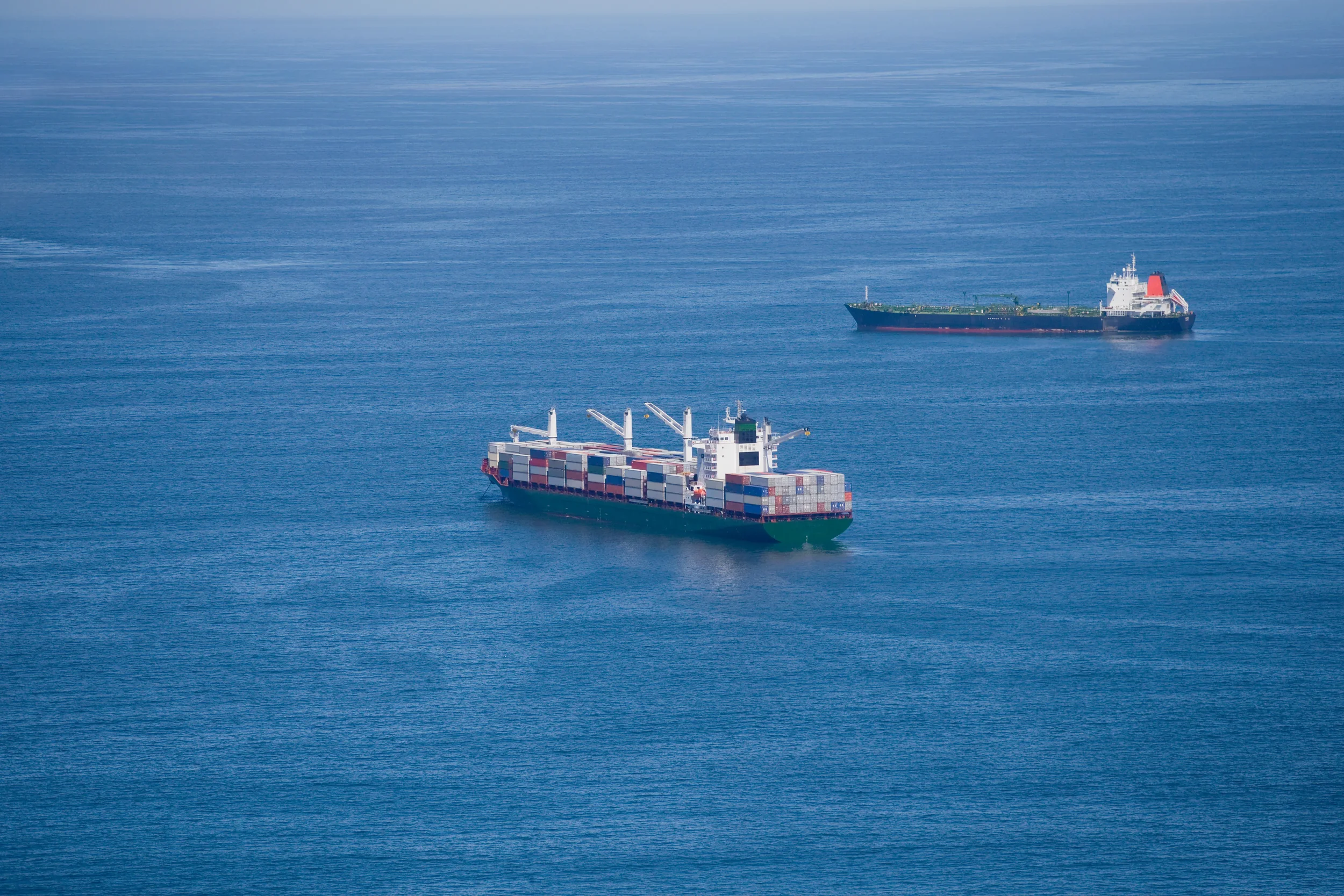
SEA freight: International maritime transport for import and export
Sea freight is one of the most reliable solutions for companies that need efficient international shipping. For businesses importing or exporting goods, maritime transport provides stability, scalability, and cost efficiency in global shipping operations.
What is SEA freight?
SEA Freight, also known as ocean freight, refers to the transportation of goods through maritime transport using a cargo vessel. It is the backbone of global shipping, enabling container shipping across continents through established shipping routes.
Sea cargo is ideal for large volumes, heavy goods, and long-distance international shipping. Through structured marine logistics and coordinated port operations, companies can move products safely and predictably worldwide.
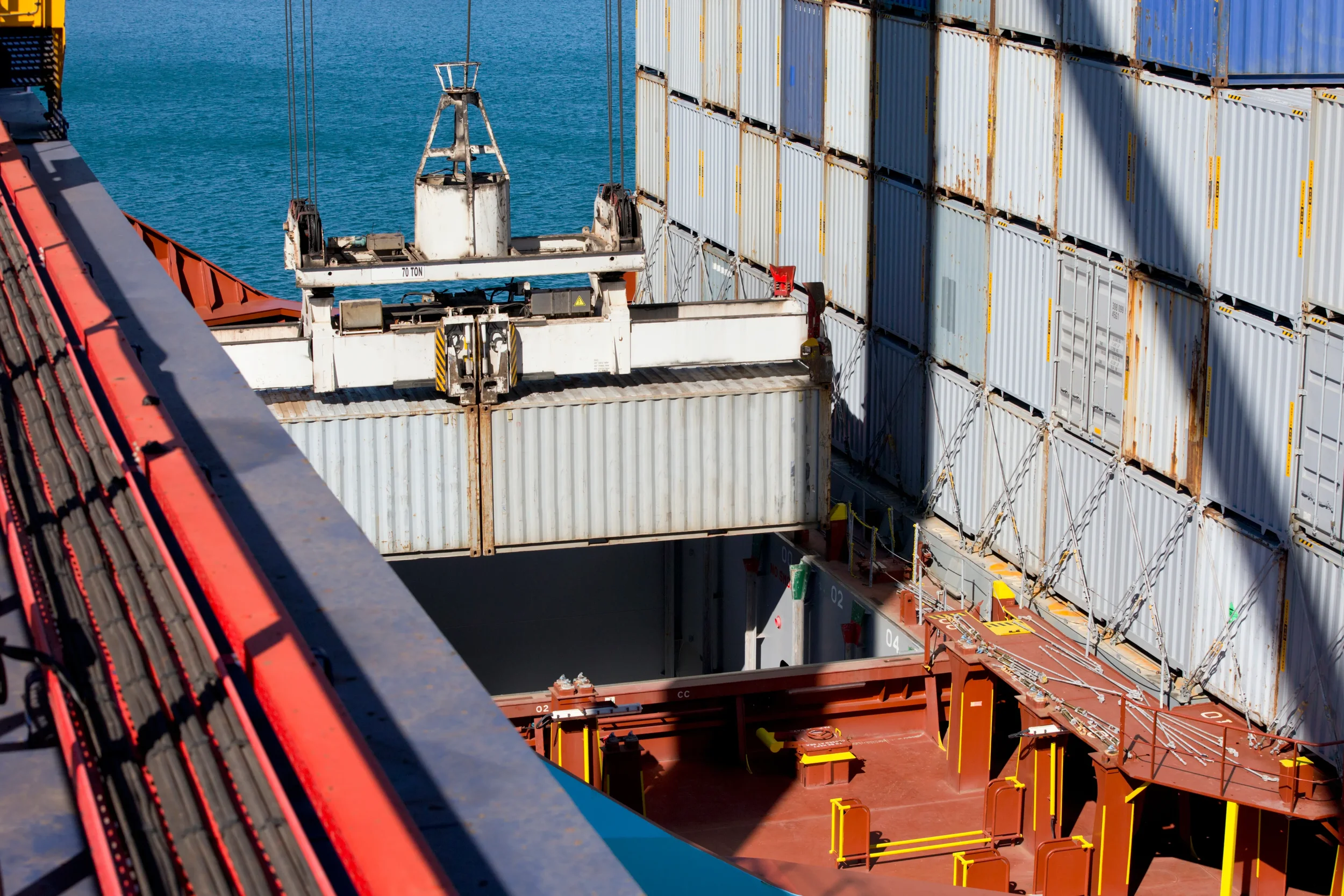
Importance of maritime transport in international trade
More than 80% of global trade moves by sea. Shipping by sea supports global supply chains by offering competitive costs and flexible container transport options.
For importers and exporters, sea freight allows:
Lower cost per unit
Access to major international markets
Capacity for bulk and oversized cargo
Stable transit time planning
Types of SEA freight services
FCL (Full Container Load)
FCL (Full Container Load) is ideal when a company fills an entire container. It offers greater control, security, and faster handling during port operations.
LCL (Less than Container Load)
LCL (Less than Container Load) allows businesses to share container space, reducing costs for smaller shipments.
Break bulk
Used for cargo that cannot fit into standard containers, such as machinery or industrial equipment.
Oversized and project cargo
Designed for large-scale industrial components requiring special handling and marine logistics planning.
Stages of the SEA freight process
Planning and quotation
Route selection, transit time estimation, and cost analysis are defined.
Maritime transport
Cargo moves via cargo vessel along established shipping routes.
Cargo collection and consolidation
Goods are prepared and grouped for container shipping..
Customs management
Compliance with international shipping regulations ensures smooth clearance.
Deconsolidation and final delivery
Goods are released and transported to their final destination.
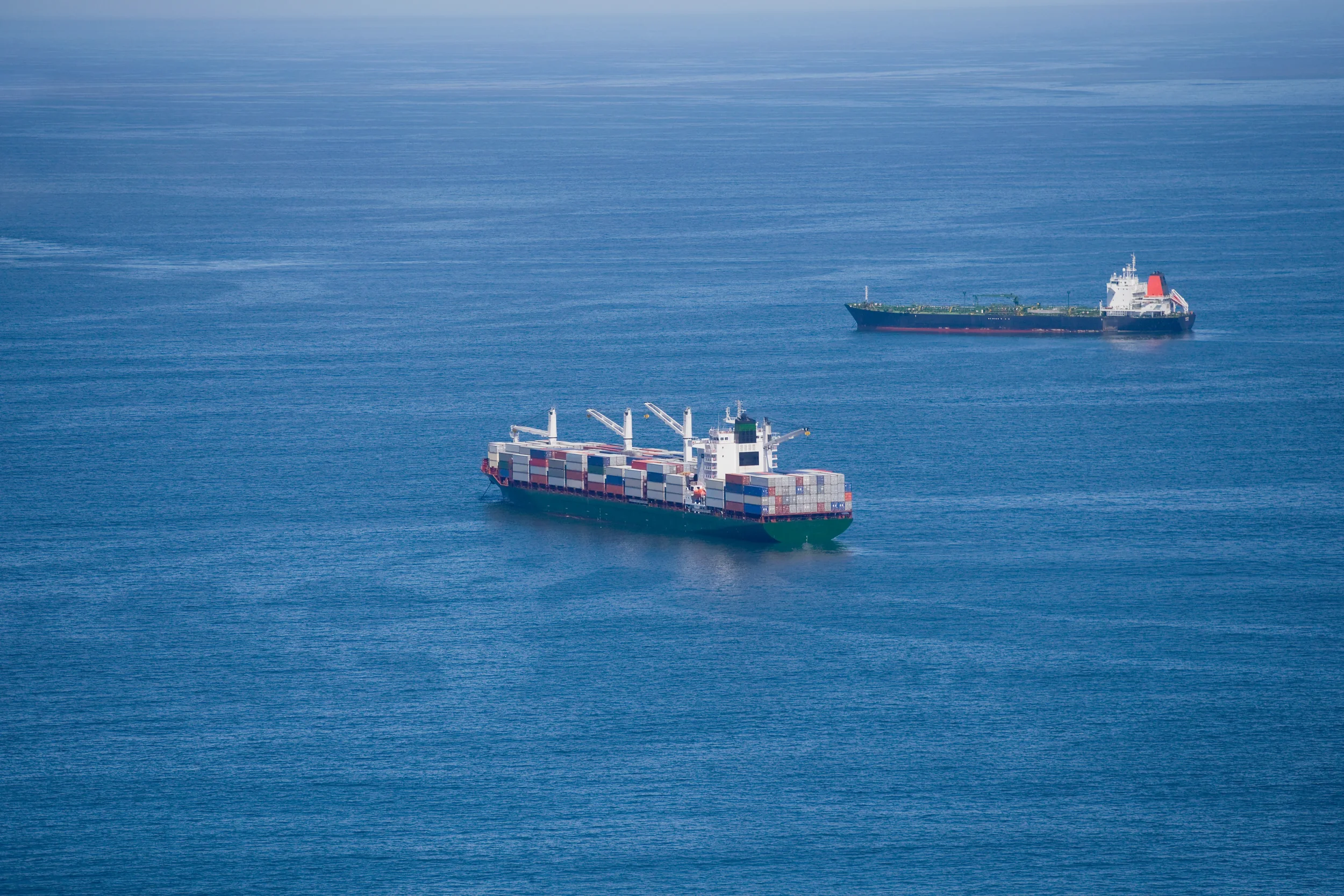
Advantages of SEA freight over other transport modes
Sea freight offers lower costs compared to air freight and greater capacity than land transport. It is ideal for container transport, bulk shipments, and predictable global shipping schedules.
Common challenges in maritime transport
Delays in port operations, weather conditions, documentation errors, and fluctuating transit time can affect sea cargo operations without proper coordination.
How to optimize international shipments by SEA
Working with experienced marine logistics partners, planning ahead, ensuring documentation accuracy, and selecting efficient shipping routes improve performance and reduce risks.
Role of the freight forwarder in SEA freight
A freight forwarder coordinates ocean freight bookings, manages documentation, oversees port operations, and ensures efficient container shipping.
SEA freight services offered by Link N Connect
LinkNConnect provides tailored sea freight solutions, including FCL (Full Container Load), LCL (Less than Container Load), customs support, and complete international shipping coordination.
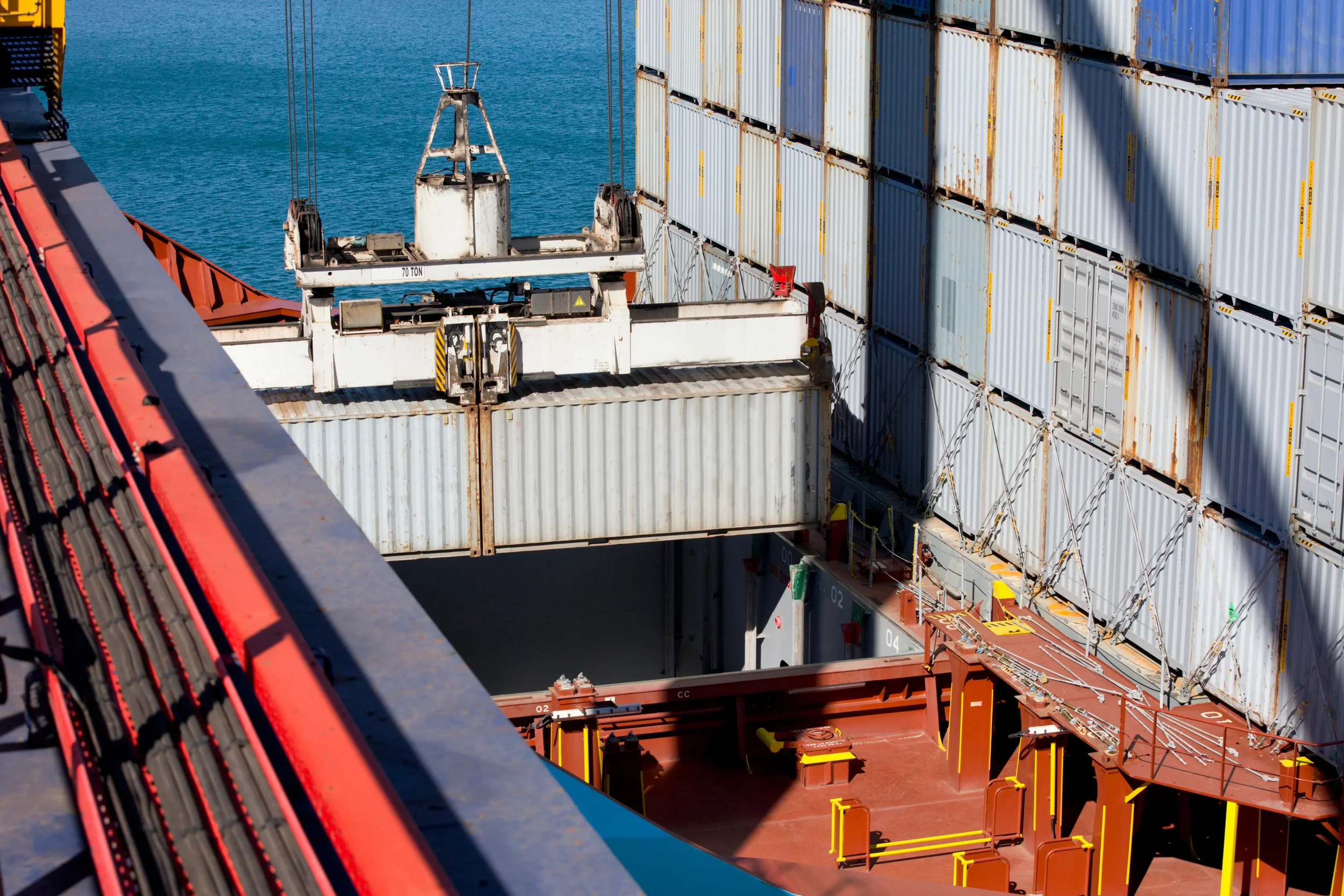
What companies benefit from SEA freight?
Importers, exporters, manufacturers, distributors, and e-commerce businesses moving large volumes internationally benefit from sea cargo solutions.
Contáctanos
¿Quieres que trabajemos juntos? Ingresa tus datos y nos pondremos en contacto contigo en breve. Esperamos tener noticias tuyas pronto.