
Importing and exporting without complications: Boost your growth in international trade
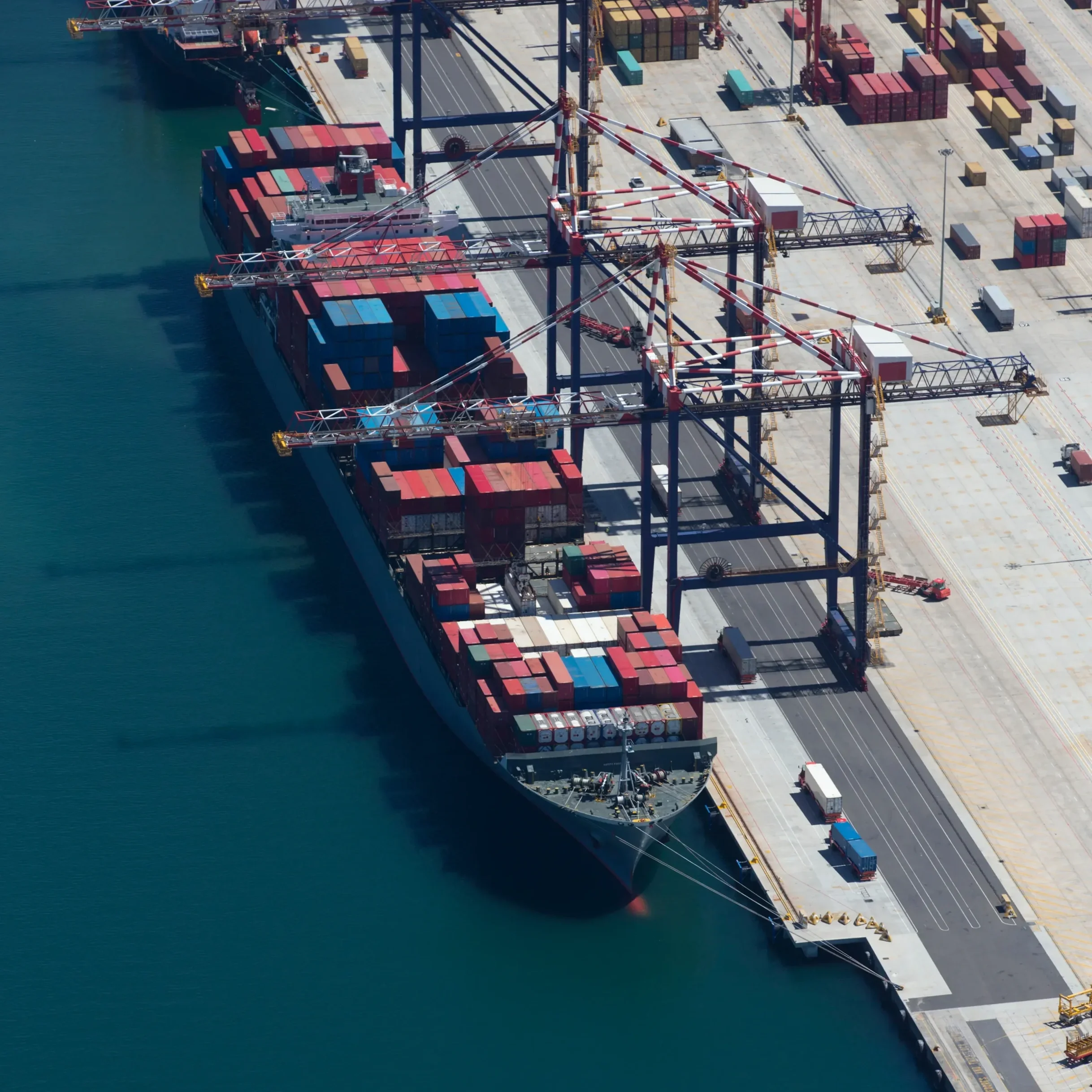
Importing and exporting is no longer optional; it is a growth strategy. Companies that successfully manage international trade expand into new markets, optimize costs, and strengthen their supply chains.
However, import operations and export operations involve technical, regulatory, and logistical processes that require expertise. Partnering with specialists in foreign trade can be the difference between a smooth transaction and a costly delay.
Why Professional Foreign Trade Management Matters
Every international shipment requires strict compliance with:
Specific trade regulations in each country
Accurate payment of tariffs and import taxes
Proper preparation of import documents and export documents
Clear agreements under internationally recognized INCOTERMS
A single mistake can result in delays, penalties, or cargo being held at customs.
Working with experts ensures your operations move forward with security, speed, and full regulatory compliance.
Key Elements in Import and Export Operations
1. Efficient Customs Clearance
Customs clearance is one of the most critical stages in global trade. It includes product classification, documentation review, and compliance verification with all required customs procedures.
Professional management helps you:
Reduce customs processing times
Avoid documentation errors
Minimize unexpected costs
2. Accurate Documentation from the Start
Every international shipment requires precise paperwork, including:
Commercial invoice
Packing list
Certificate of origin
Additional permits depending on the type of goods
Additionally, trade agreements can offer tariff benefits but only if documentation is correctly prepared.
Errors in export documents or import documents can invalidate preferential treatment or trigger inspections.
3. Strategic Cost Planning
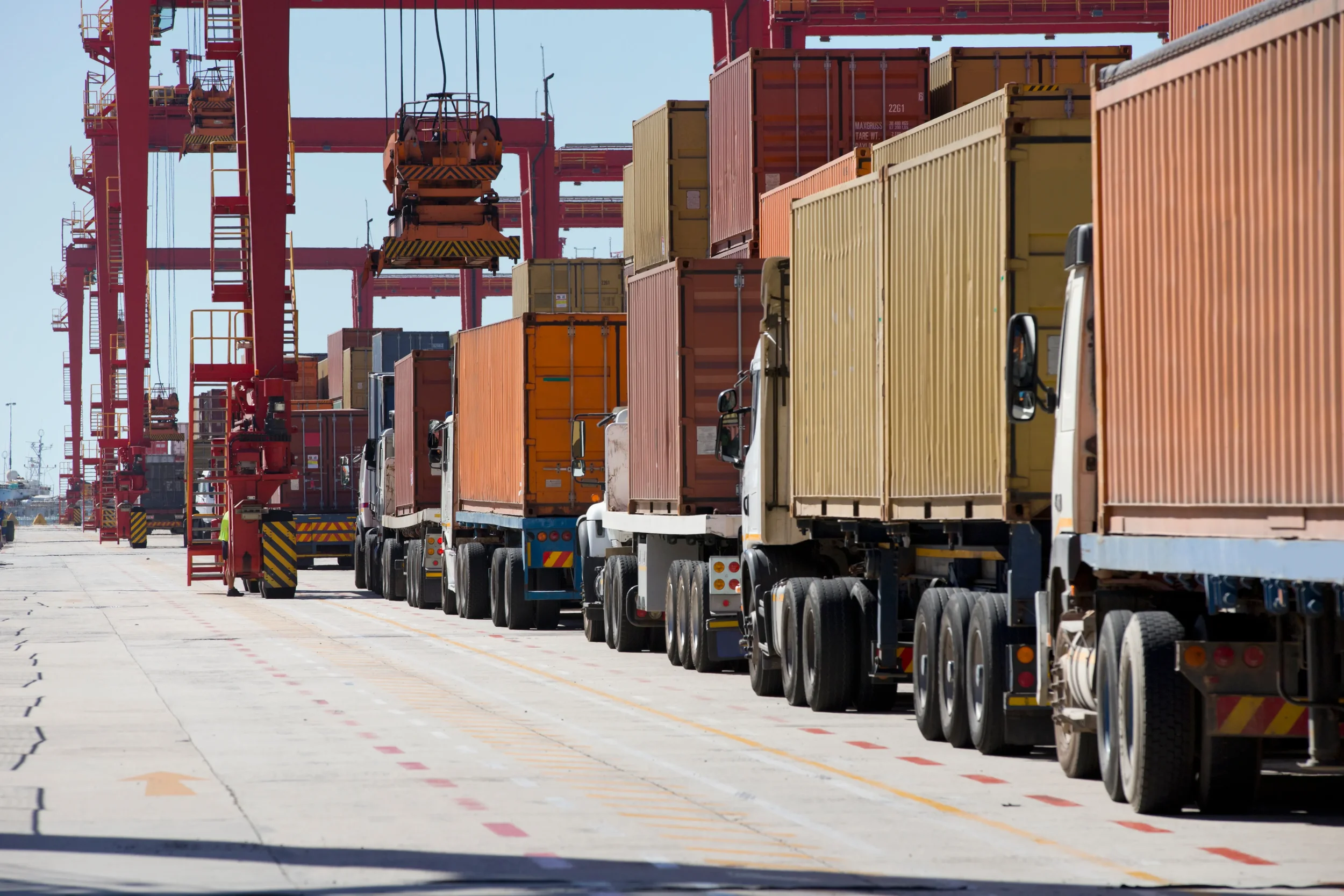
Importing and exporting involves more than transportation. Companies must consider:
International logistics costs
International logistics costs
Applicable tariffs
Import taxes
Responsibilities defined under INCOTERMS
A strategic cost analysis ensures accurate pricing, protects profit margins, and prevents financial surprises.
The Advantages of Working with a Specialized Logistics Partner
Companies aiming for seamless global expansion need more than a service provider they need a strategic partner.
A professional foreign trade service delivers:
Personalized consulting tailored to your industry
Complete management of customs procedures
Risk reduction and time optimization
Full compliance with international trade regulations
Continuous support throughout every shipment
The goal is simple: allow your business to focus on sales and growth while experts handle your import and export operations.
Turn International Trade into a Competitive Advantage
Global markets offer endless opportunities but only well-prepared companies can capitalize on them.
A strong international trade strategy allows you to:
Access new suppliers
Expand globally
Access new suppliers
Optimize operational costs
Increase profitability
Importing and exporting with professional support transforms complex processes into smooth, secure, and profitable operations.
If your company is looking for a reliable, personalized logistics service designed to eliminate complications, now is the time to move forward.
Make foreign trade a growth driver not an operational concern.