
Supply Chain: what it is, how it works, and how to optimize it in international trade
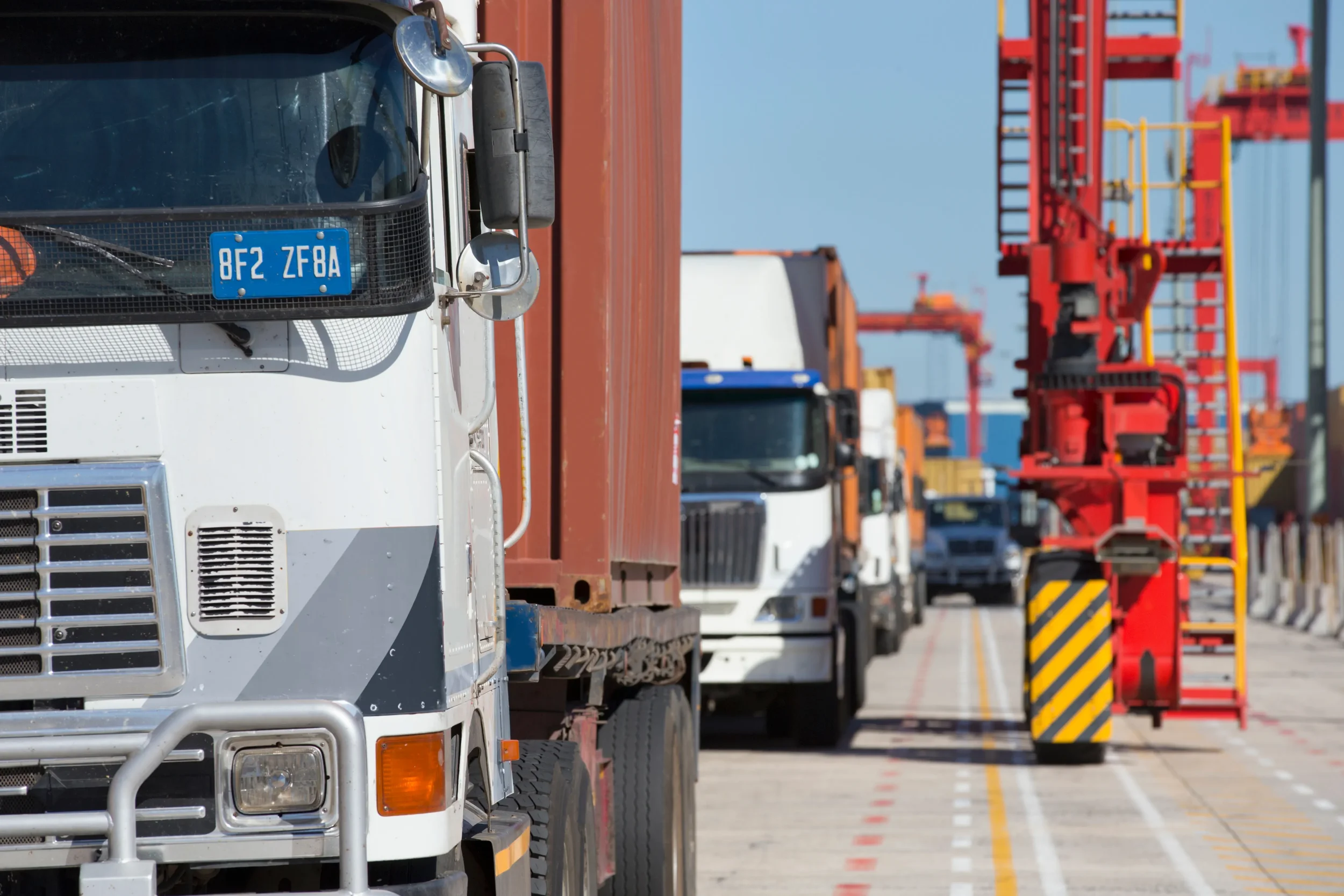
A supply chain is the complete network of processes, people, companies, and resources involved in moving goods from suppliers to the final customer. For companies that import and export merchandise, an efficient supply chain is not optional, it is the backbone of international operations.
A well-managed supply chain improves operational efficiency, reduces risks, ensures regulatory compliance, and helps maintain strict cost control. In global trade, where timing, documentation, and coordination are critical, having a structured and optimized supply chain makes the difference between smooth operations and costly disruptions.
What is a supply chain?
A supply chain refers to the entire flow of goods, information, and finances from raw material sourcing to final delivery. It includes suppliers, manufacturers, warehouses, freight carriers, customs brokers, and distributors.
In international logistics, the scope of a supply chain extends beyond transportation. It involves:
Strategic sourcing
Production planning
Inventory management
International freight coordination
Customs compliance
Final distribution
For companies involved in global trade, the supply chain ensures that products move securely, efficiently, and without unnecessary delays across borders.
Why is the supply chain critical in import and export?
In international commerce, supply chain management directly impacts profitability and reliability. Here’s why it matters:
1. On-time delivery
Meeting international shipping deadlines is essential to avoid penalties, storage fees, and dissatisfied customers.
2. Cost control
Freight rates, duties, warehousing, and handling charges can escalate quickly. A structured supply chain minimizes unexpected costs.
3. Risk management
From port congestion to regulatory changes, global trade involves risk. Proactive planning reduces exposure to disruptions.
4. Traceability
Companies need real-time visibility into their shipments. Tracking ensures transparency and better decision-making.
5. Coordination between stakeholders
International logistics requires synchronization between suppliers, freight forwarders, customs authorities, and distributors.
Without proper coordination, even small errors can create major bottlenecks.
Stages of an international supply chain
An international supply chain consists of several interconnected stages:
Sourcing and suppliers
Selecting reliable suppliers ensures consistent quality and timely production. Strategic sourcing reduces delays and quality issues.
Production or preparation
Manufacturing, packaging, labeling, and compliance preparation occur at this stage. Export-ready documentation must be aligned here.
Storage and warehousing
Goods are stored before shipment. Efficient warehouse management improves inventory control and reduces storage costs.
International transportation
This includes ocean freight, air freight, rail, or trucking. Choosing the right transportation mode impacts both cost and speed.
Customs and regulatory compliance
Customs clearance is one of the most critical stages. Accurate documentation prevents delays, fines, and shipment holds.
Final distribution
Once cleared, goods are transported to distribution centers or directly to customers.
Each stage must be aligned to ensure a seamless flow of goods.
Main challenges in the global supply chain
Global supply chains face several common challenges:
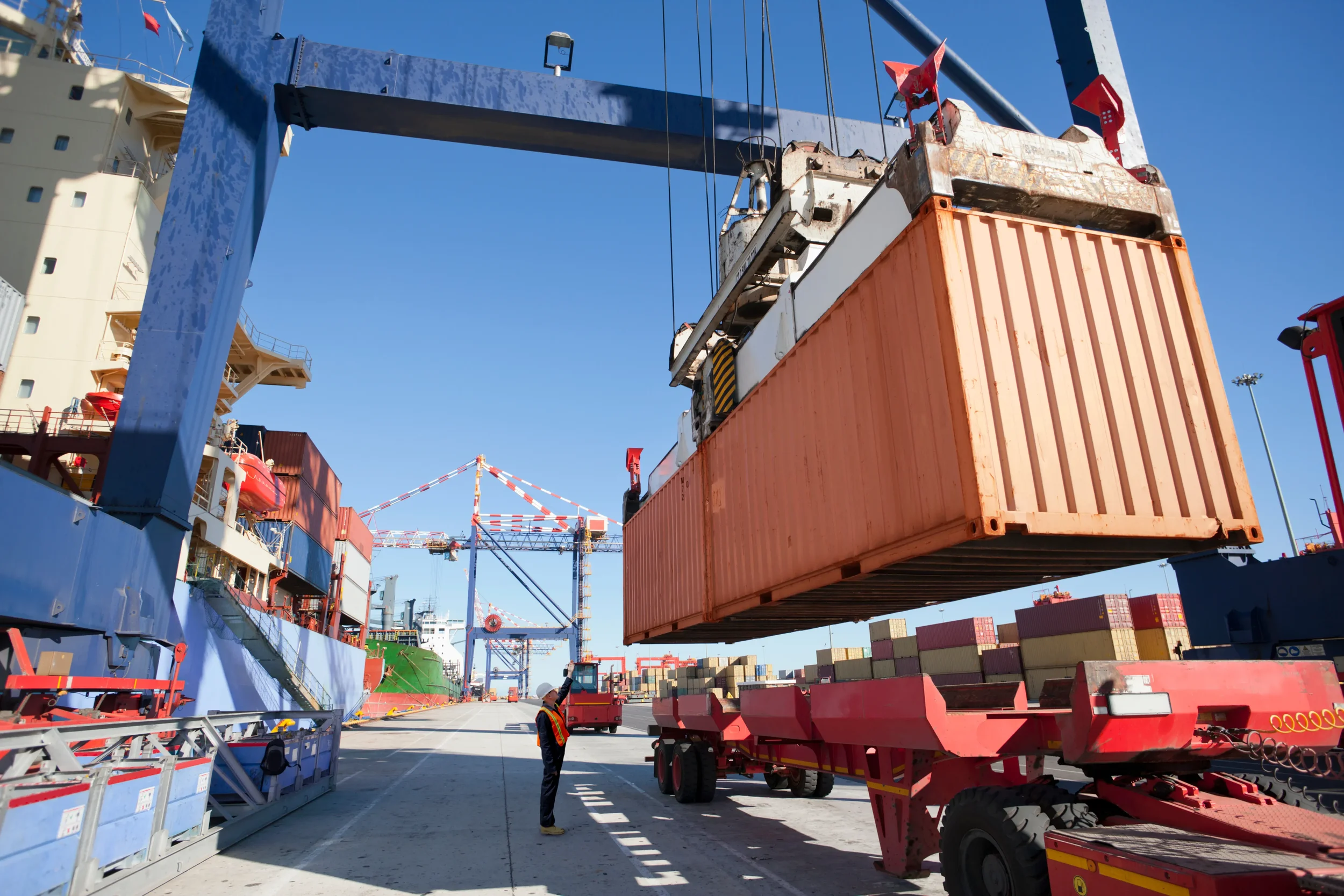
Shipping delays due to port congestion or carrier capacity issues
Unexpected costs such as demurrage, storage, or tariff changes
Lack of visibility in shipment tracking
Documentation errors in invoices, packing lists, or certificates
Customs issues resulting from regulatory non-compliance
Poor coordination among international partners
Without expert management, these issues can lead to financial losses and damaged business relationships.
How Link N Connect helps you manage your supply chain
Link N Connect provides comprehensive logistics solutions designed for companies importing and exporting goods. Their approach focuses on personalized service, operational transparency, and efficiency.
Personalized support
Every operation is different. Tailored logistics strategies ensure your supply chain adapts to your business model.
Transportation coordination
From selecting carriers to scheduling shipments, proper coordination minimizes delays.
Document management
Accurate documentation reduces customs risks and ensures smooth clearance.
International trade advisory
Guidance on regulations, tariffs, and compliance requirements helps avoid costly mistakes.
Customized solutions
Flexible logistics services adapt to your industry and shipment volume.
Operational visibility
Real-time tracking and communication give you full control of your international shipments.
Benefits of a well-managed supply chain
Optimizing your supply chain generates measurable advantages:
Reduced operational costs
Faster delivery times
Fewer documentation errors
Scalable international growth
Improved competitiveness
Better customer experience
What type of companies need to optimize their supply chain?
Supply chain optimization is essential for:
Importers
Exporters
Distributors
Retail businesses
Manufacturing companies
International e-commerce businesses
If your company moves goods across borders, a structured logistics strategy is critical to maintaining efficiency and minimizing risk.
Optimize your supply chain with logistics experts
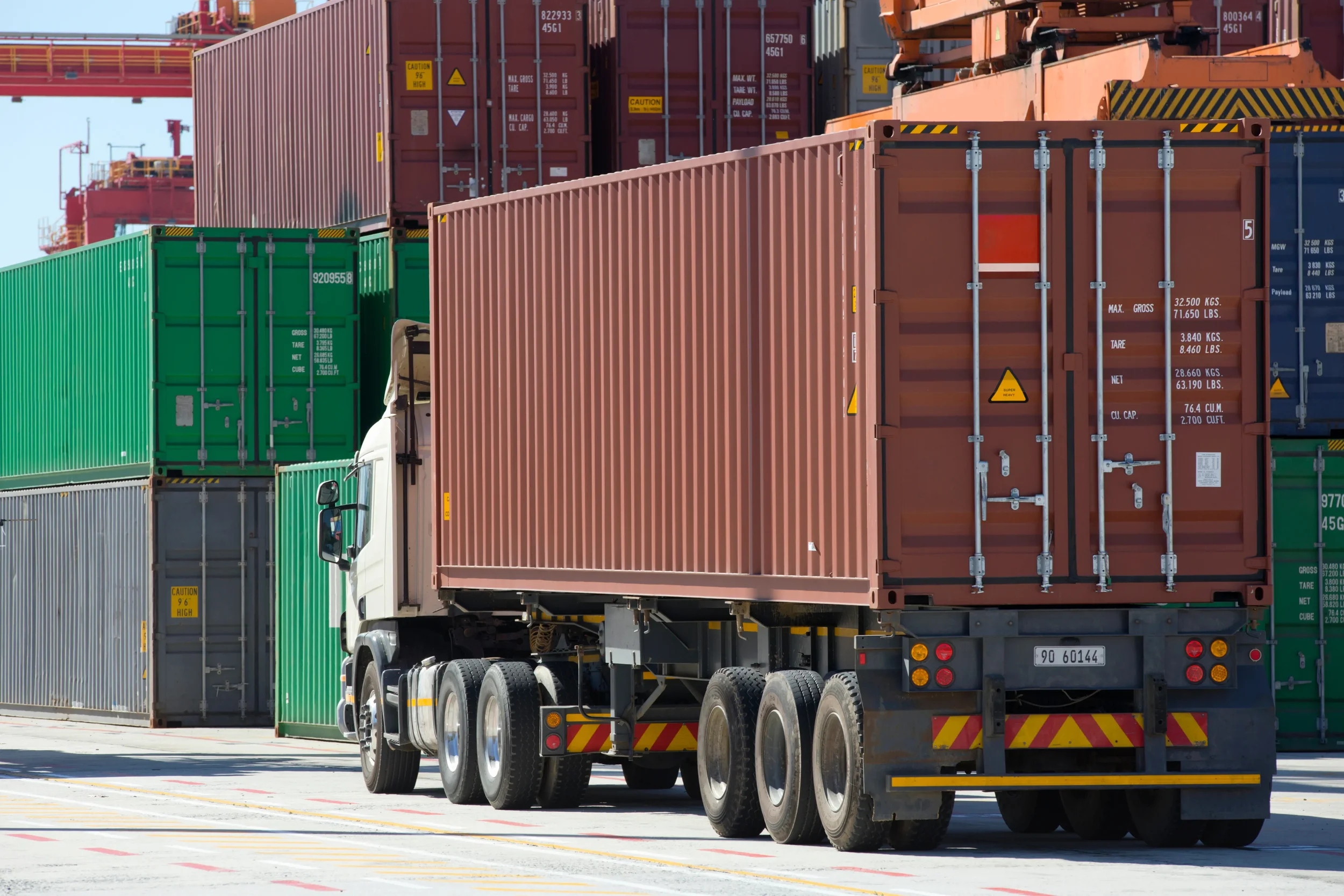
In today’s competitive global market, your supply chain determines how efficiently you operate and how reliably you serve your customers. A strategic approach to international logistics ensures faster deliveries, lower costs, and fewer complications.
Partnering with experienced professionals allows you to focus on growing your business while your logistics operations run smoothly, securely, and without disruptions.
Take control of your international operations today.