
How to export products step by step for international markets
Expanding your business globally can unlock massive growth opportunities. But to do it right, you need to understand how to export products efficiently, strategically, and without costly mistakes.
For many companies, entering foreign markets feels complex. Regulations, logistics, and costs can quickly become overwhelming. That’s why having a clear export strategy and the right logistics partner is essential.
Learning how to export products is not just about shipping goods—it’s about building a scalable system that supports long-term international growth and minimizes operational risks.
Export requirements and regulations
The first step in understanding how to export products is knowing the export requirements and regulations that apply to your goods.
Each country has specific legal requirements, including:
Trade agreements and restrictions
Labeling and packaging rules
Product compliance standards
Export licenses (if required)
Failing to meet these requirements can result in delays, fines, or rejected shipments. In some cases, goods may even be returned or confiscated, generating unexpected losses.
A strong export process starts with compliance. Without it, even the best logistics plan can fail. This is why businesses entering foreign markets must prioritize regulatory research before shipping.
Required export documentation
A critical part of learning how to export products is understanding the documentation involved. Proper export documentation ensures smooth operations and avoids issues during transit.
Key documents include:
Certificate of origin
Bill of lading or airway bill
Commercial invoice
Packing list
Export licenses (if applicable)
These documents must be consistent and accurate across all forms. Even small discrepancies such as mismatched product descriptions or incorrect values can delay customs clearance or trigger inspections.
For companies scaling into new markets, mastering this part of how to export products is what separates efficient operations from constant disruptions and added costs.
Tariff classification
Another important step in how to export products is correctly classifying your goods under international tariff systems.
Tariff classification determines:
Applicable duties and taxes
Import/export restrictions
Compliance requirements
An incorrect classification can lead to overpaying duties or facing penalties. In more serious cases, it may cause shipment holds during customs clearance, affecting delivery timelines.
A well-defined export strategy always includes accurate classification, as it directly impacts pricing, compliance, and competitiveness in foreign markets.
Export costs and pricing
Understanding costs is essential when learning how to export products. Many businesses underestimate the total investment required for international expansion.
Typical export costs include:
Transportation and freight charges
Customs duties and taxes
Insurance and risk coverage
Packaging and handling
Storage and distribution
However, there are also indirect costs to consider, such as delays, currency fluctuations, and additional inspections. For example, a shipment held in customs for a few days can generate storage fees and disrupt delivery commitments.
Pricing your products correctly requires factoring in all these elements. A well-planned export strategy ensures that your pricing remains competitive while protecting your margins in different foreign markets.
Choosing the right shipping method
Selecting the right shipping method is a key decision in how to export products. The choice depends on cost, delivery time, and product type.
Air freight
Fast and reliable
Ideal for high-value or urgent shipments
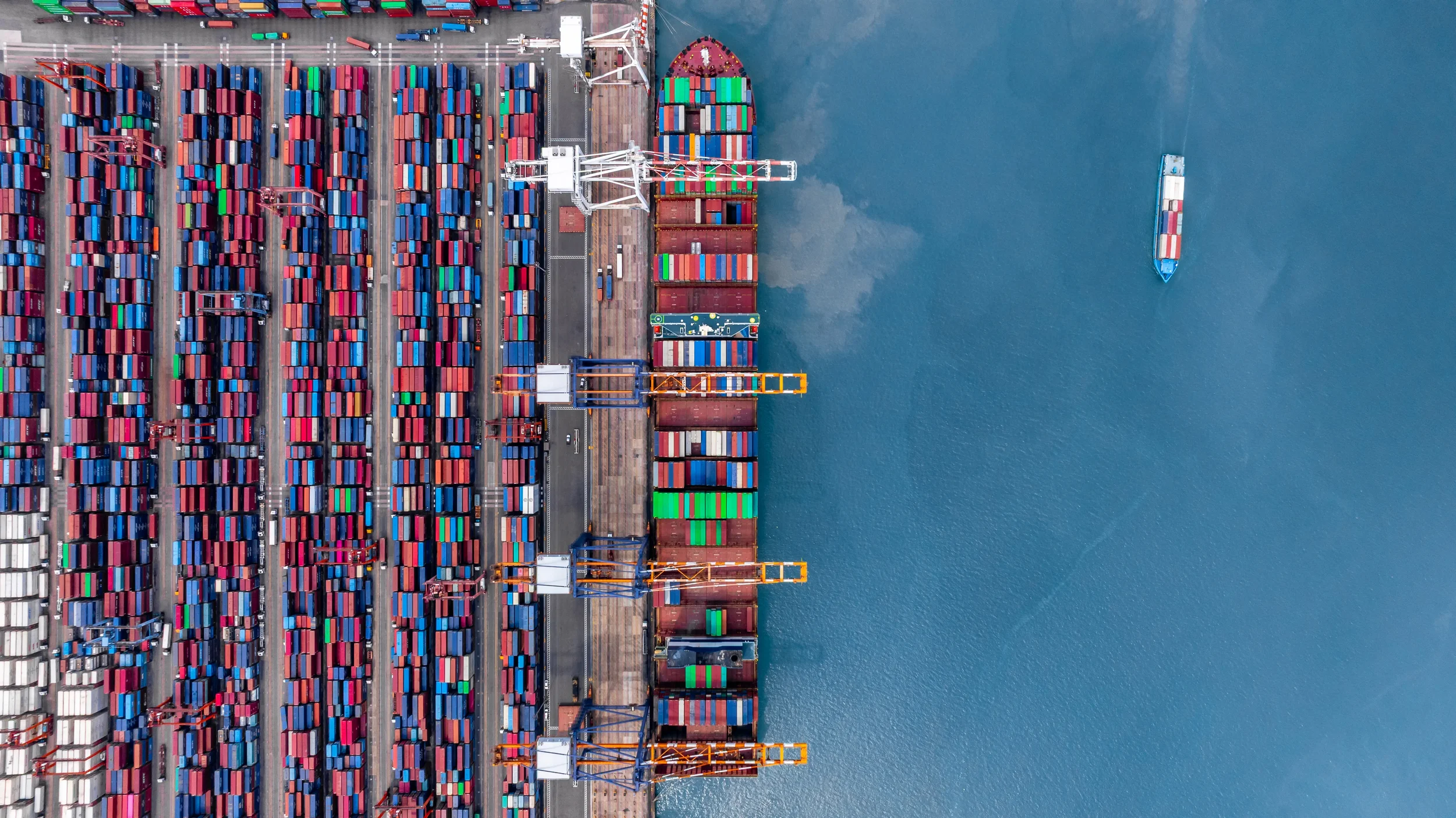
Sea freight
More economical for large volumes
Common for long-distance export process operations
Multimodal solutions
Combines different transport methods
Optimizes both cost and efficiency
Ground transportation
Used for regional distribution
Supports cross-border logistics
Choosing the right option directly affects delivery performance, transit times, and customer satisfaction in foreign markets.
Customs clearance process
One of the most critical steps in how to export products is navigating customs clearance. This process ensures that goods comply with regulations in both exporting and importing countries.
The process typically includes:
Inspection of goods (if required)
Approval for entry or exit
Submission of export documentation
Payment of duties and taxes
In real scenarios, customs inspections may be random or triggered by inconsistencies in documentation. When this happens, shipments can be delayed for days or even weeks.
Additionally, each country has different processing times and requirements. This variability makes customs one of the most unpredictable stages of the export process.
Working with experienced logistics partners helps reduce these risks and ensures faster, more reliable clearance an essential factor when mastering how to export products.
Common mistakes to avoid
Even with a solid plan, companies often make mistakes when learning how to export products. Avoiding these can save time, money, and operational stress.
Poor logistics planning
Choosing the wrong shipping method affects delivery reliability and timelines.
Underestimating costs
Not accounting for all export costs leads to reduced profitability.
Incomplete documentation
Missing or incorrect export documentation is one of the most common causes of delays.
Ignoring regulations
Failing to meet legal requirements can result in fines or rejected shipments.
Lack of market research
Entering foreign markets without understanding demand can limit growth potential.
A common real-world scenario is businesses focusing only on transportation while neglecting compliance and pricing. This often leads to delays, unexpected costs, and dissatisfied customers.
Avoiding these mistakes strengthens your export strategy and ensures smoother international operations.
By now, you should have a clear understanding of how to export products and what it takes to succeed in international markets.
From managing export requirements and documentation to optimizing logistics, handling customs clearance, and controlling export costs, every step plays a role in building a successful global operation.
For businesses looking to grow beyond borders, mastering how to export products is not just a skill, it's a competitive advantage. With the right strategy and logistics support, expanding into foreign markets becomes a structured, scalable, and profitable opportunity.