
What is international logistics and why it is important for global trade
If your business operates across borders, understanding what is international logistics is not optional—it’s essential. At its core, international logistics refers to the planning, execution, and control of goods movement across countries.
But in practice, it goes much further. It connects suppliers, manufacturers, distributors, and customers through a structured global supply chain, ensuring products move efficiently from origin to destination without unnecessary delays or risks.
For companies involved in import and export, knowing what is international logistics means gaining control over costs, timelines, and operational complexity in a highly competitive environment.
Importance in global supply chains
To fully grasp what is international logistics, you need to understand its role in the broader global supply chain. Every international transaction depends on logistics working seamlessly behind the scenes.
Why is it so critical?
It reduces operational bottlenecks and delivery delays
It supports scalability for growing businesses entering new markets
It enables efficient international trade between countries
.It ensures consistent flow of goods in international shipping
Without a well-structured logistics system, companies risk losing competitiveness due to delays, increased costs, or poor customer experience. This is why understanding what is international logistics becomes a strategic advantage rather than just an operational function.
Key processes in international logistics
A deeper look at what is international logistics reveals a series of interconnected processes that require precision and coordination.
3. Cargo handling and consolidation
Goods are prepared, packaged, and often consolidated with other shipments. Proper handling reduces the risk of damage, especially for fragile or high-value products. Consolidation also helps optimize costs.
4. Customs clearance
This is one of the most sensitive stages. Managing customs procedures correctly ensures compliance with international regulations and avoids delays, penalties, or shipment holds.
1. Planning and route
optimization
This stage involves selecting the best routes and modes of international transport based on cost, urgency, and cargo type. For example, a company may combine sea freight for bulk shipping with air freight for urgent deliveries, balancing speed and budget.
2. Documentation management
Accurate documentation is critical. This includes invoices, packing lists, and shipping documents required for international shipping. Even small discrepancies can delay shipments or increase inspection risks.
5. Final delivery and distribution
Once goods arrive, they are transferred into local distribution networks. Efficient last-mile delivery ensures that products reach their final destination on time.
Each of these stages reinforces what is international logistics—a coordinated system where every detail matters.
Types of international transportation
Another essential part of understanding what is international logistics is choosing the right transport method.
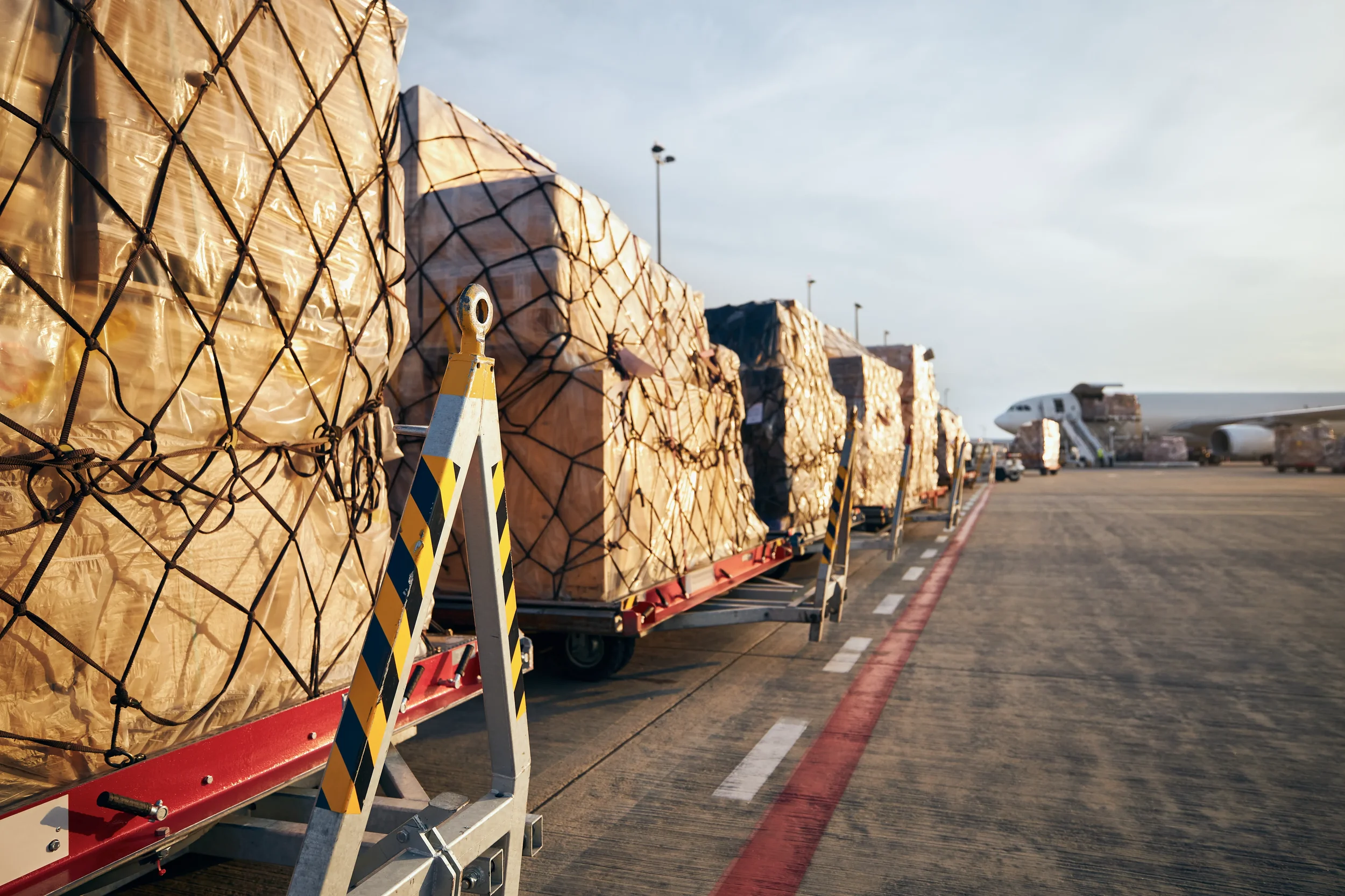
Air freight
Fastest option for urgent shipments
Higher cost but ideal for time-sensitive goods
Sea freight
Cost-effective for large volumes
Widely used in import and export operations
Multimodal transport
Combines different types of international transport
Improves efficiency by balancing cost and delivery speed
Land transportation
Supports regional trade and cross-border distribution
Often used as part of multimodal solutions
Selecting the right transportation method directly impacts delivery performance, making it a critical decision within global logistics.
Key elements
To fully understand what is international logistics, you must consider the elements that define its success.
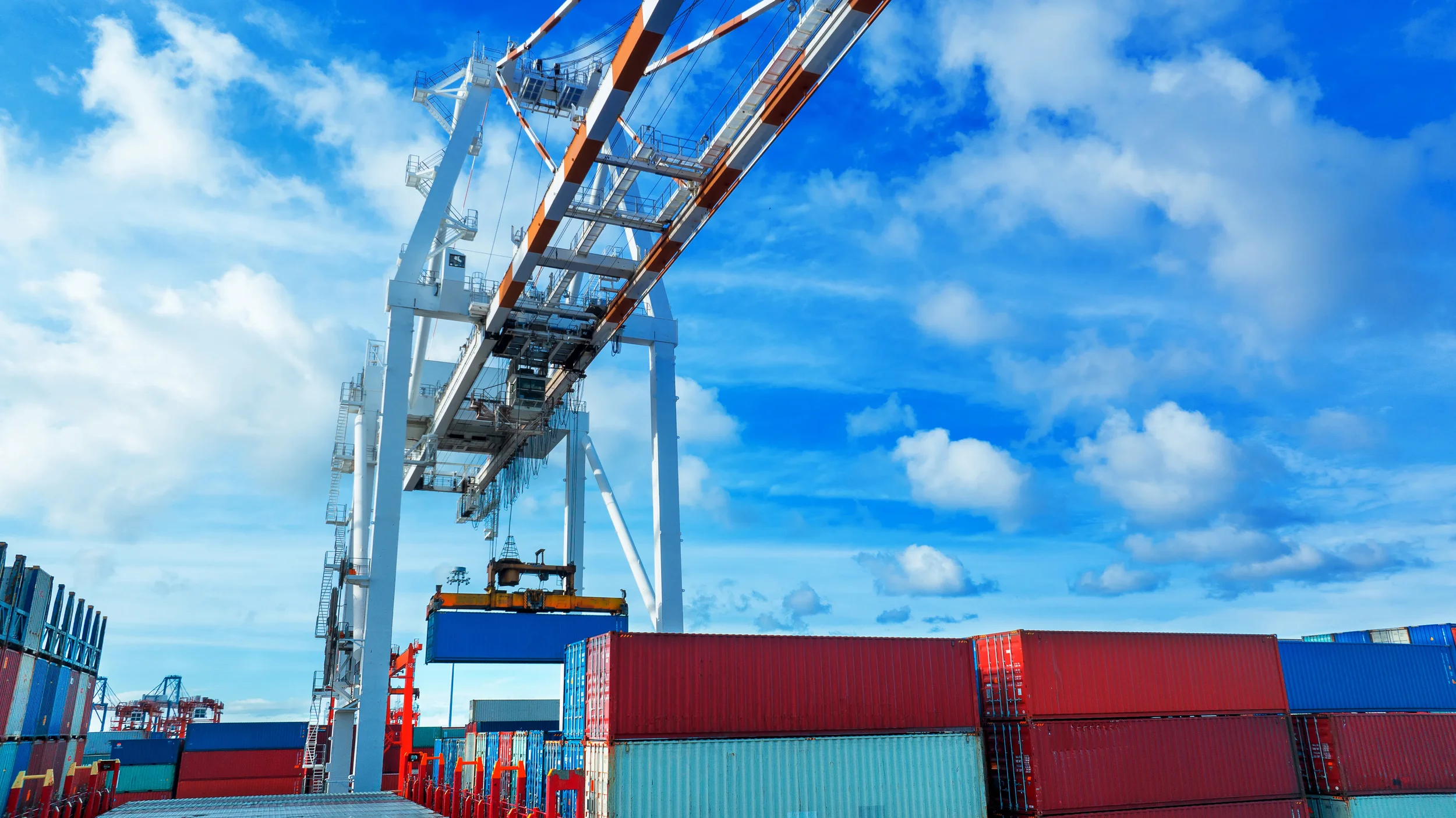
Customs and compliance
Every country has its own regulations. Proper documentation and compliance ensure smooth entry of goods and prevent delays in international trade.
Incoterms
Incoterms define responsibilities between buyers and sellers in international shipping. For example, terms like FOB or CIF determine who pays for transport, insurance, and duties. Misunderstanding these can lead to unexpected costs.
Cost structure
International logistics costs are more complex than many businesses expect. They include:
Transportation fees
Customs duties and taxes
Storage and cargo handling costs
Insurance and risk coverage
Administrative and documentation fees
Understanding these components allows businesses to forecast expenses more accurately and avoid hidden costs.
Challenges in global logistics
While the benefits are clear, understanding what is international logistics also means recognizing its challenges.
Some of the most common include:
Constantly changing regulations across countries
Delays in customs processes and inspections
Rising fuel and transportation costs
Limited visibility across the global supply chain
Risks during international shipping, such as damage, theft, or loss
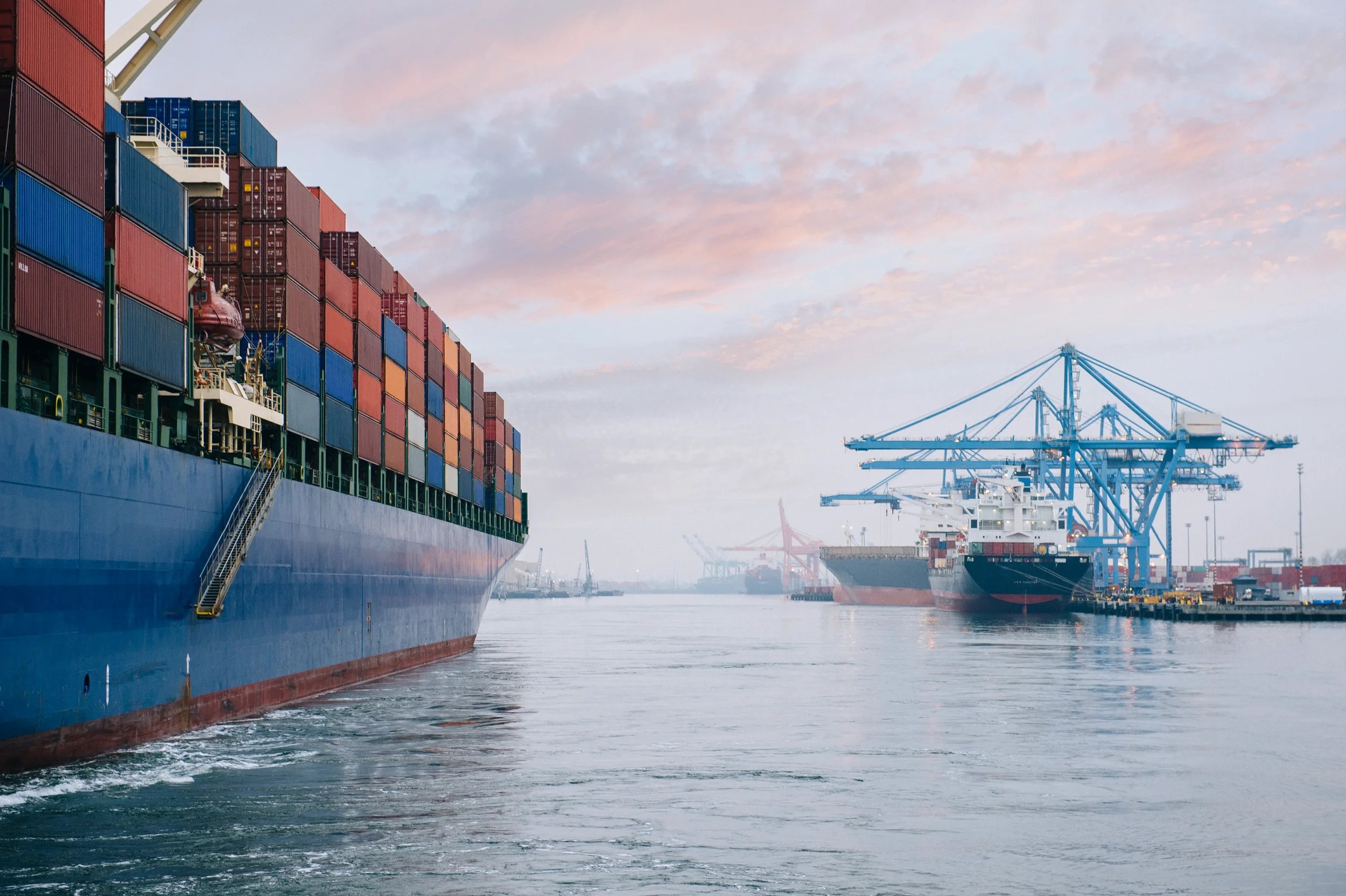
Additionally, external factors like port congestion, geopolitical issues, or supply chain disruptions can impact delivery timelines. These challenges highlight the importance of having a reliable logistics strategy and experienced partners.
Trends in international logistics
The world of global logistics is evolving rapidly. Staying updated is part of mastering what is international logistics.
Sustainability
Companies are adopting eco-friendly practices in international transport, such as optimizing routes and reducing emissions.
Digitalization
Technology is transforming logistics through real-time tracking, automation, and data analytics. This improves visibility and decision-making.
Supply chain resilience
Businesses are diversifying suppliers and routes to reduce dependency and mitigate risks.
E-commerce expansion
Global e-commerce growth is increasing demand for faster and more flexible international shipping solutions.
These trends are reshaping how companies approach import and export, making logistics more strategic than ever.
By now, what is international logistics should be clear. It’s the system that connects every stage of global trade, from planning and transportation to delivery and distribution.
For businesses involved in international trade, having a well-structured logistics strategy ensures efficiency in international shipping, better cost control, and improved reliability across the entire global supply chain.